Robotics is entering a more practical phase. After years of viral demos and polished product launches, the conversation in 2026 is shifting toward deployment, reliability, and uptime. Companies are no longer asking whether robots can look impressive in a controlled environment. They are asking whether those machines can keep working under real operating conditions.
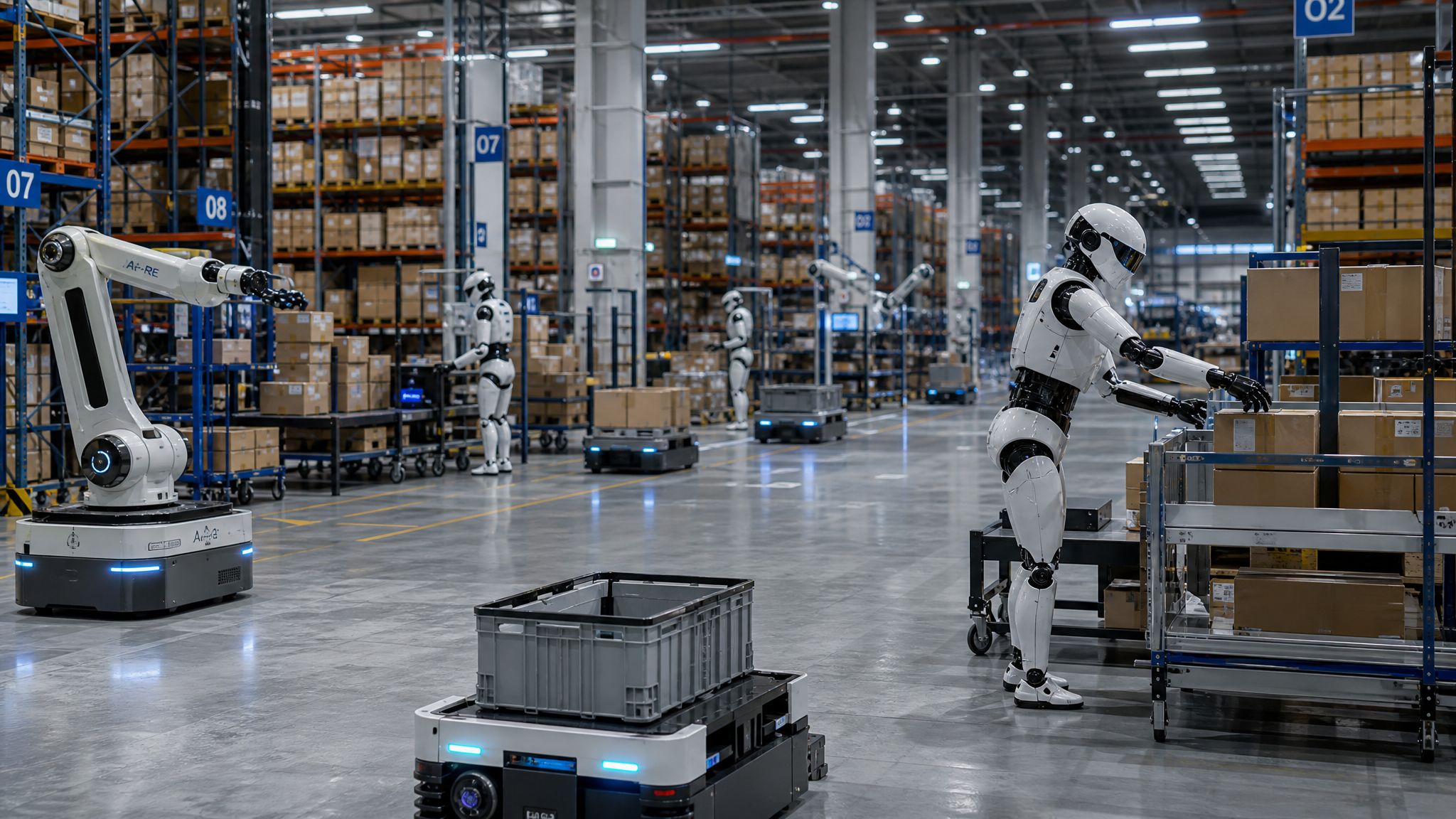
That shift is visible in logistics and manufacturing. Warehouses are using more automated guided vehicles, robotic arms, and humanoid prototypes to handle repetitive or physically demanding work.
What changed is the role of AI. Modern robots are less dependent on fixed scripts and more capable of interpreting their environment in real time. Better sensors, improved computer vision, and more capable control software are helping robots adjust to changing conditions.
The industry's key challenge now is integration. The winning systems will not be the ones that merely move the fastest or lift the most. They will be the ones that fit into existing workflows, software stacks, and safety procedures. In 2026, robotics innovation is increasingly measured by how quietly and reliably it can improve operations behind the scenes.