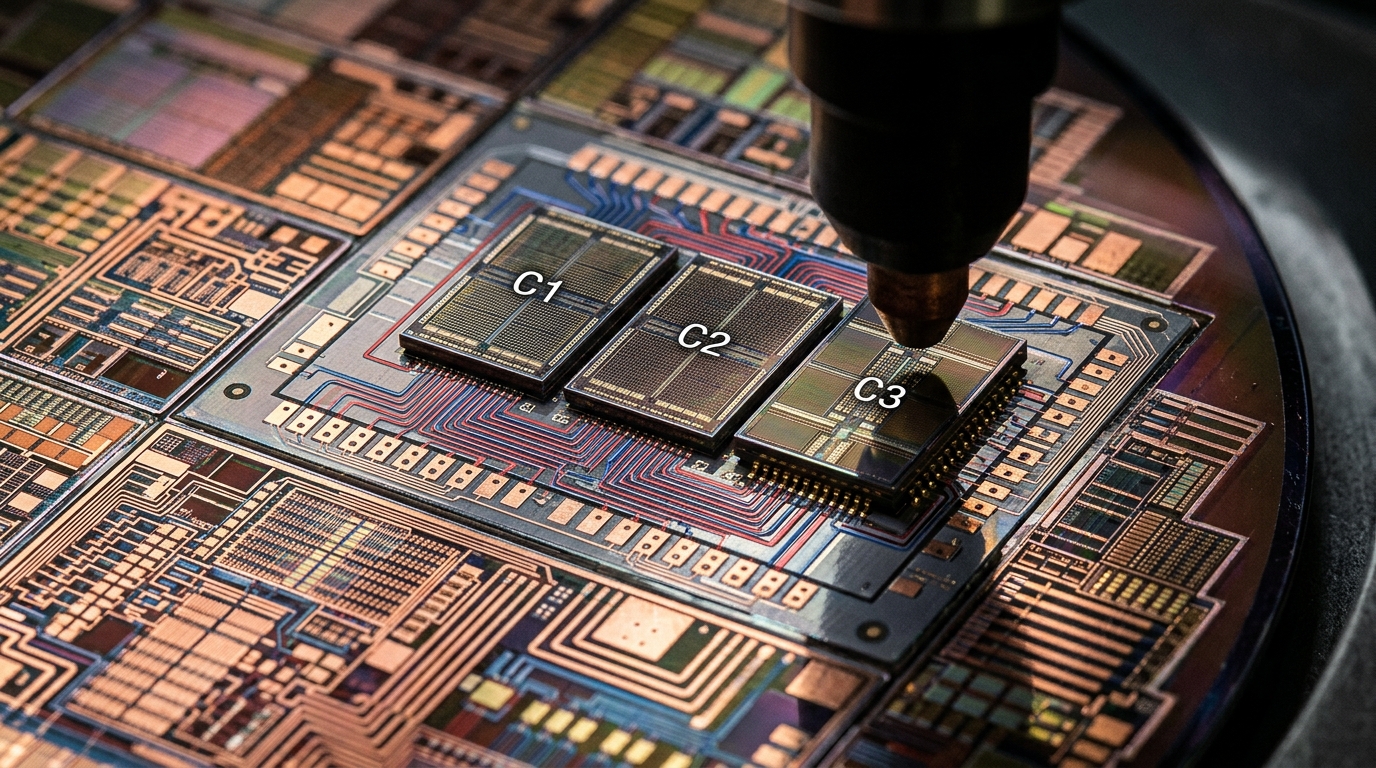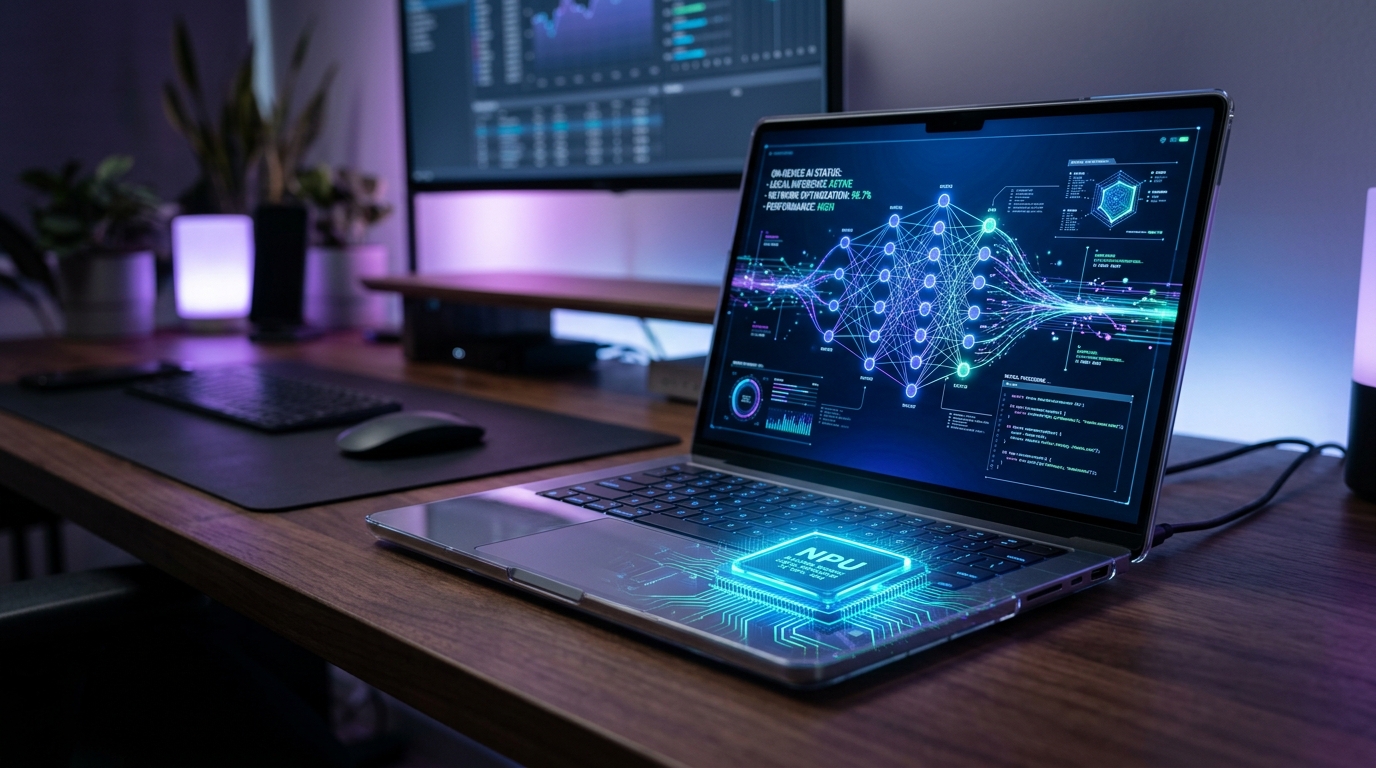
The PC market is in the middle of another reset. After years of focusing on processor speed and battery life, manufacturers are now highlighting neural processing units, on-device inference, and AI-first software experiences. The idea behind the AI PC is simple: move more tasks onto the device itself so they happen faster, stay private, and work even when a connection is weak.
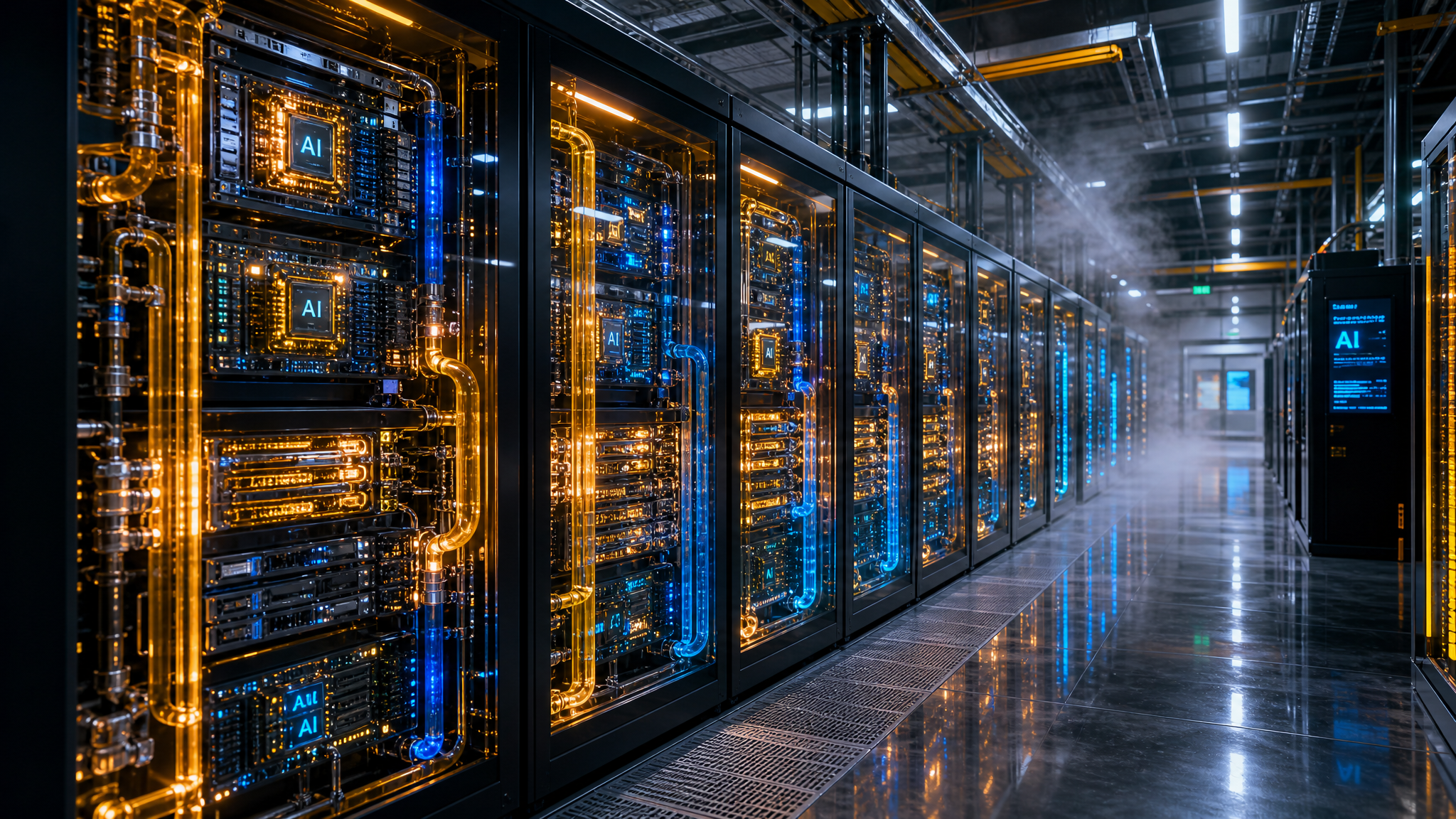
This matters because many common AI tasks do not need a remote data center. Summarizing a document, generating a quick response, cleaning up a photo, or transcribing a meeting can all be handled locally if the hardware is good enough. That cuts latency and lowers cloud usage.
The shift is also changing design priorities. Memory bandwidth, thermal efficiency, and battery life now matter even more because local inference can be resource intensive. Software teams are being pushed to build hybrid systems that decide when to run on-device and when to offload to the cloud.
For consumers and business buyers, the most important question is not whether a laptop can run AI features, but whether those features improve everyday work without becoming gimmicks. The strongest products will be the ones that quietly make writing, searching, organizing, and collaborating more efficient.